Island Vocabulary for Kids
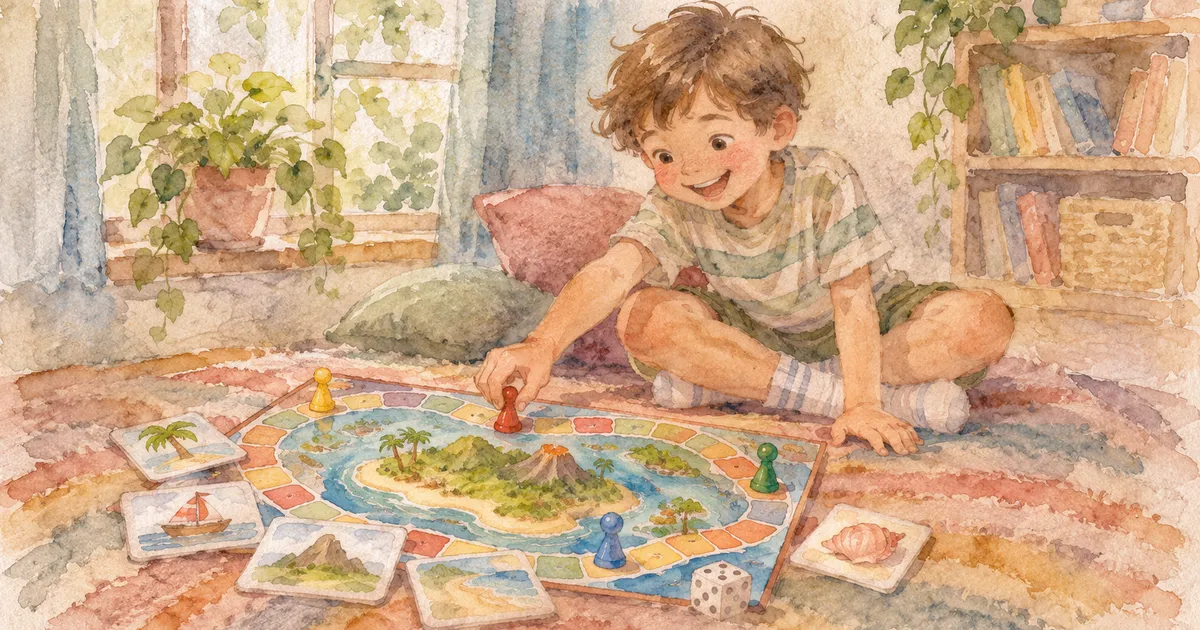
Island Vocabulary for Kids: Words and Activities in English teaches words for land surrounded by water, coasts, sea life, travel, and outdoor actions. A child can start with nouns such as island, beach, and boat, then add phrases such as “The boat is near the shore.” Pictures, movement, and short questions support understanding and recall. This guide provides vocabulary, examples, age-based activities, and practice for children who have never visited an island.
Core Words for an Island Scene
Begin with six to eight words visible in one picture. Add words after the first group becomes familiar. vocabulary covers features, living things, places, objects, and actions in island scenes.
- Land and water: island, sea, ocean, coast, shore, beach, bay, lagoon, wave, tide, sand, rock, cliff, cave
- Plants and animals: palm tree, coconut, shell, coral, reef, crab, turtle, fish, seabird, jungle
- Places and objects: boat, ferry, harbour, lighthouse, village, map
- Actions: swim, sail, paddle, climb, explore, collect
Teach meaning through contrasts. An island has water around it; a beach is sandy or stony land beside water. A harbour shelters boats. A lighthouse guides vessels near the coast. Island Vocabulary for Kids: Words and Activities in English becomes easier when each word connects to a feature or action.
Perfect pronunciation is unnecessary on the first day. Check whether the child points to the correct item. Then ask them to repeat the word, choose between two options, and use it in a short phrase.
Teaching tip
Keep one island picture for multiple sessions. Familiar visual details reduce guessing and help your child recall and use the English words.
Useful Phrases and Examples in Context
Island Vocabulary for Kids: Words and Activities in English goes beyond separate labels. Children need short patterns for locations, actions, and descriptions.
- This is a small island.
- The beach has soft sand.
- There are rocks near the shore.
- A boat is sailing across the bay.
- The lighthouse stands on the cliff.
- We can see fish in the lagoon.
- The children are collecting shells.
- Which path leads to the village?
Practise location words with one scene: on the island, at the beach, in the sea, near the coast, and between the rocks. Ask open questions: “What is beside the boat?” or “Where is the crab?” A child may answer with one word before building a full sentence.
Island Scene Challenge
Draw an island with a beach, a boat, an animal, and two natural features. Label six items. Then say two sentences about their locations and one about an action.
Activities for Different Ages
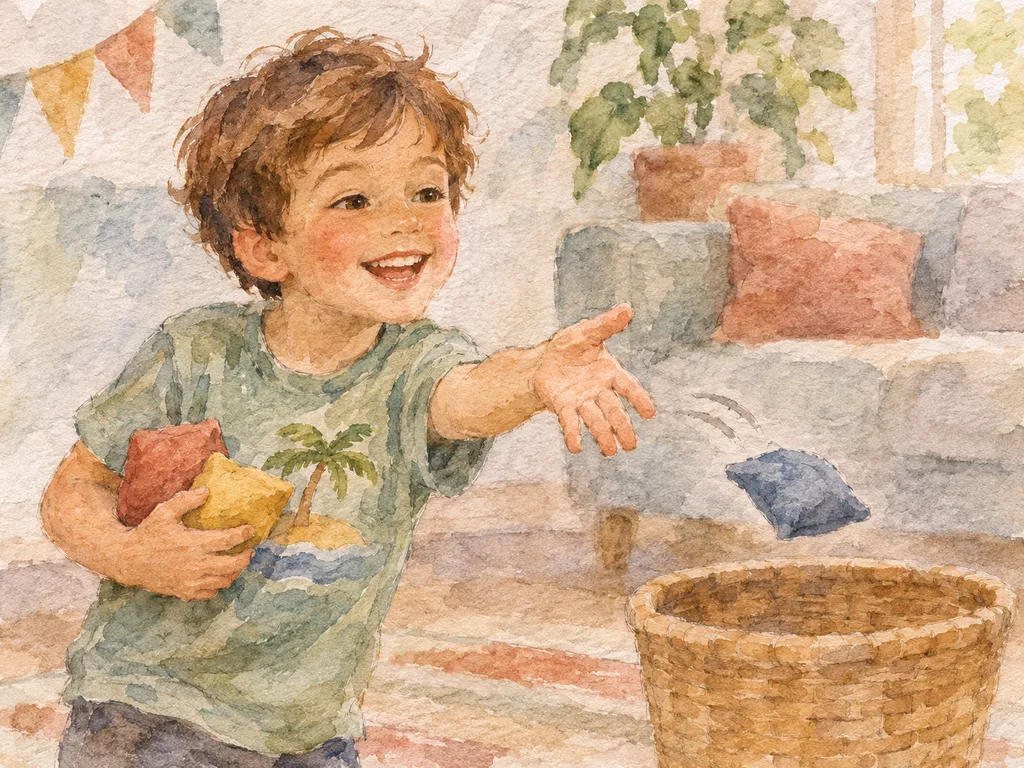
For school-age kids, Island Vocabulary for Kids: Words and Activities in English works through pointing, matching, and movement. Place picture cards on the floor and say, “Jump to the boat” or “Touch the palm tree.” Finish with a choice: “Is this a shell or a rock?”
For school-age kids, use an island map. Your child can draw paths, place animals, and give directions: “Walk past the lighthouse and turn towards the beach.” Cover one object and ask what is missing. Switch roles so your child gives the instructions.
For school-age kids, add description and problem-solving. Ask the learner to plan an island day, compare two pictures, or explain what to pack for different weather. Older learners can write a short guide using coast, harbour, reef, and explore.
Quick activity checklist
- Choose one clear island picture or map.
- Select a small group of target words.
- Ask your child to point, say, and use each word.
- Repeat difficult words in a new game.
- End with one task your child can complete alone.
Practice Ideas for Reliable Recall
Short recall tasks beat repeated list reading. Show a picture, hide the labels, and ask your child to name each object. Revisit the words another day in a different order. Recall then becomes part of the activity, not a final test.
Use household materials. Build an island from cushions, draw a treasure map, sort toy animals into land and sea groups, or describe a holiday photo. In a one-to-one lesson, our tutors can adjust questions, sentence length, and pace to the learner’s age and English level.
In a multilingual home, a brief translation can confirm meaning. Then resume the activity in English. Your child might connect shore with another language, point to the shore, say the English word, and form a sentence. Existing languages can support English practice.
Myths and facts about vocabulary practice
Myth: A child must learn every island word before making sentences.
Fact: Short sentences with secure words build language from the start.
Myth: Translation always prevents children from thinking in English.
Fact: Brief translation can clarify meaning; pictures, questions, and repeated English develop recall.
Common Mistakes and How to Correct Them
Island words may overlap without being interchangeable. Correct mistakes with a picture or brief contrast. Repeat the child’s idea correctly: “Yes, the boat is near the shore.” The conversation continues while the child hears an accurate model.
Watch for broad words replacing precise terms. A child may call every stretch of water ocean or every coastal place beach. Accept the meaning, then offer the precise word. Practise singular and plural together: one shell, two shells; one fish, three fish. Use there is with one item and there are with more than one.
- Choose five island picture cards and ask your child to name each aloud.
- Model the correct word, then invite your child to repeat it once.
- Sort eight words into land, water, animals, and activities together.
- Read one island-themed page and correct only misunderstood vocabulary afterward.
- Play a guessing game using three clues for each island word.
When a word has several meanings or pronunciations, Cambridge Dictionary is a useful check before turning it into child-friendly examples.
Frequently Asked Questions
How Many Island Words Should My Child Learn at Once?
Start with six to eight words for a young beginner or a larger group for a learner who builds English sentences. Connect the words to one picture or activity. Continue when your child recognises most words and uses some without copying. Carry difficult words into the next practice group without delaying the set.
Can My Child Learn These Words Without Visiting an Island?
Yes. Island Vocabulary for Kids: Words and Activities in English can be taught through photographs, maps, drawings, toys, and descriptions. A visit is unnecessary. Connect unfamiliar features to known places: a shore may resemble a lake edge, while a photograph can show a harbour. Visual links support understanding.
Should We Translate Island Vocabulary into Our Home Language?
Use a short translation when a picture cannot convey the meaning. Then return to English and ask your child to point, choose, describe, or act. Let the learner respond before translating instructions. Multilingual children can compare words, but each practice round needs active English recall.
How Can I Check Whether My Child Remembers the Words?
Ask for words in a different order without visible labels. Your child can name objects, sort picture cards, complete a sentence, or describe a new island scene. Check after a break, not only at the session’s end. Retrieving a word later measures recall better than immediate repetition.
For the next 10-minute practice, choose six island words, ask your child to point to each one, and help them make three short sentences. Repeat the task two days later without visible labels.
A short one-to-one lesson can show what level and pace fit your child — book a trial English lesson.
Stay updated on our latest tips and resources by following us on Instagram LearnLink.